Discover NQS Educational Resources to Enhance Learning
- Sneha Taneja
- May 26
- 4 min read

When it comes to early childhood education, having the right tools and resources can make all the difference. I’ve found that using NQS educational resources helps create a nurturing and effective learning environment. These resources align with the National Quality Standard (NQS), which guides educators in delivering quality care and education. Today, I want to share how these resources can support your teaching and inspire young learners.
Exploring NQS Educational Resources
NQS educational resources are designed to support educators in meeting the standards set by the National Quality Framework. They cover a wide range of areas, including curriculum planning, assessment, and creating safe, engaging environments. What I love about these resources is how practical and easy they are to use. They help me plan activities that are both fun and educational, ensuring children develop essential skills through play.
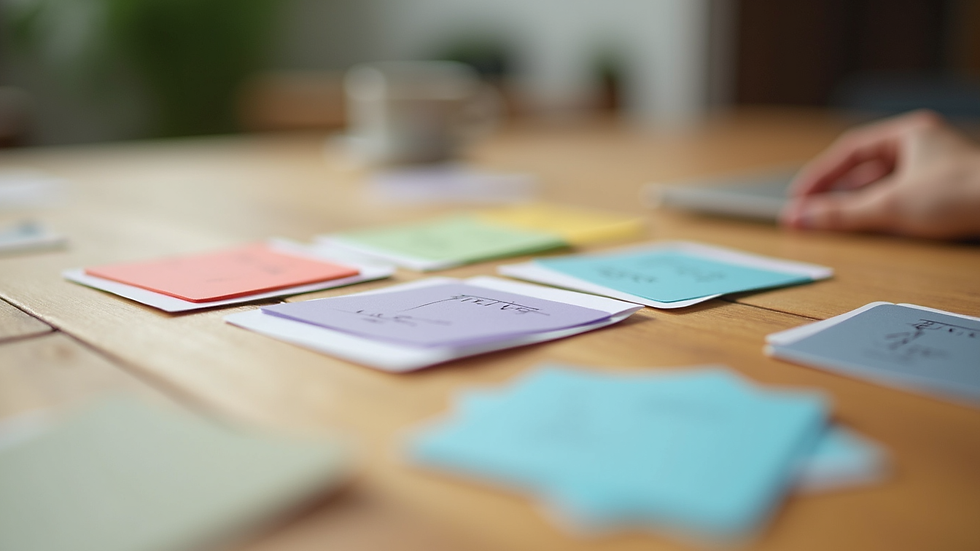
For example, you might find activity sheets, observation templates, and planning guides that align with the Early Years Learning Framework (EYLF). These tools save time and help maintain consistency in your teaching approach. Plus, they encourage reflective practice, which is key to continuous improvement.
Using these resources also means you can confidently meet compliance requirements while focusing on what matters most - the children’s learning and wellbeing.

How NQS Resources Support Everyday Learning
In my experience, NQS resources bring structure and creativity to daily routines. They help educators plan meaningful experiences that promote children’s development across all learning outcomes. For instance, you can find resources that support literacy, numeracy, social skills, and physical development.
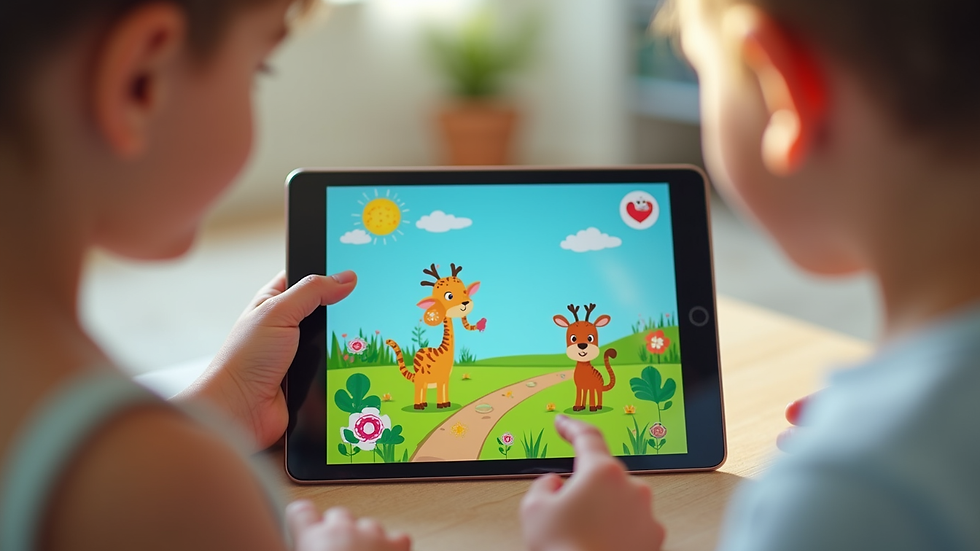
One practical example is using story prompts and interactive games that encourage language development. These resources often come with clear instructions and suggestions for adapting activities to different age groups or abilities. This flexibility is invaluable when working with diverse groups of children.
Moreover, NQS resources often include tips for creating inclusive environments. This means every child feels valued and supported, which boosts their confidence and engagement.
If you’re looking to expand your collection, you might want to explore nqs resources for sale that offer ready-to-use materials tailored for Australian early childhood settings.
What is the NQS Used For?
The National Quality Standard (NQS) is a benchmark for quality in early childhood education and care. It sets out seven quality areas that services must meet to ensure children receive the best possible start. These areas include educational program and practice, children’s health and safety, physical environment, staffing arrangements, relationships with children, collaborative partnerships with families and communities, and leadership and service management.
NQS resources help educators understand and implement these standards effectively. They provide clear guidance on how to create environments and programs that foster children’s learning and wellbeing. By using these resources, educators can:
Plan curriculum that aligns with the EYLF and NQS
Reflect on their practice and identify areas for improvement
Document children’s progress in meaningful ways
Engage families and communities in the learning journey
In short, the NQS is a tool for continuous quality improvement, and the resources available make this process manageable and rewarding.
Practical Tips for Using NQS Resources in Your Setting
To get the most out of NQS educational resources, I recommend a few simple strategies:
Start Small - Choose one or two resources that address your current needs. For example, if you want to improve documentation, try using observation templates or learning stories.
Involve Your Team - Share resources with colleagues and discuss how you can implement them together. Collaboration strengthens your approach and brings fresh ideas.
Adapt to Your Context - Every early childhood setting is unique. Feel free to modify activities and materials to suit your children’s interests and cultural backgrounds.
Reflect Regularly - Use the resources to guide reflection sessions. Ask yourself what worked well and what could be improved.
Engage Families - Share resources or outcomes with families to build strong partnerships. This connection supports children’s learning beyond the classroom.
By following these tips, you create a dynamic learning environment that grows with your team and the children.
Embracing Quality with Playful Pathway
Finding trustworthy and high-quality NQS resources can sometimes feel overwhelming. That’s why I appreciate platforms like Playful Pathway, which offer a curated selection of EYLF-aligned materials. Their resources are designed with Australian educators in mind, making them relevant and easy to use.
Whether you need planning templates, activity ideas, or assessment tools, these resources help simplify your workload. They also inspire creativity and joy in the classroom, which is essential for meaningful learning experiences.
Remember, investing in quality resources is an investment in the children’s future. When we have the right support, we can focus on what truly matters - nurturing curious, confident, and capable learners.

Taking the Next Step in Your Learning Journey
I encourage you to explore the range of NQS educational resources available and see how they can enhance your practice. Start by identifying areas where you want to grow or improve. Then, select resources that align with those goals.
Keep in mind that quality education is a journey, not a destination. With the right tools and mindset, you can create a vibrant learning environment that supports every child’s potential.
If you’re interested, check out nqs resources for sale to find materials that suit your needs. These resources are designed to make your planning easier and your teaching more effective.
Together, we can build a strong foundation for children’s learning and wellbeing, one playful step at a time.


Comments