Educational Games for Preschoolers Online: A Playful Pathway to Learning
- Sneha Taneja
- May 11
- 4 min read

When young children explore the world through play, they build essential skills that last a lifetime. Online preschool games offer a wonderful way to combine fun and learning, especially when designed with early childhood development in mind. These games help children develop language, math, motor skills, and social understanding in a gentle, engaging way. I want to share some insights and practical ideas about how these games can support learning and creativity in early years settings.
Why Choose Online Preschool Games?
Online preschool games provide a flexible and interactive learning environment. They allow children to learn at their own pace, repeat activities as needed, and explore new concepts in a safe space. For educators and parents, these games can be a valuable tool to complement hands-on activities and classroom experiences.
Some benefits include:
Engagement: Bright colours, sounds, and animations capture children’s attention.
Skill-building: Games often focus on specific skills like counting, letter recognition, or problem-solving.
Accessibility: Children can access games anytime, anywhere, making learning continuous.
Adaptability: Many games adjust difficulty based on the child’s progress.
By choosing games aligned with the Early Years Learning Framework (EYLF), educators can ensure that play supports developmental outcomes and learning goals.
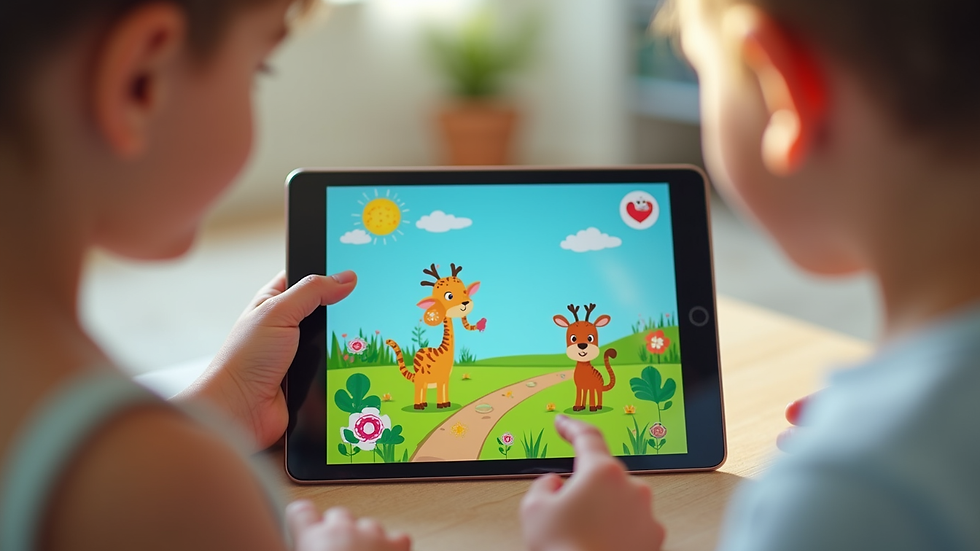
Exploring Popular Types of Online Preschool Games
There is a wide variety of online preschool games available, each targeting different areas of development. Here are some popular categories and examples of how they support learning:
Literacy and Language Games
These games introduce letters, sounds, and simple words. They often include activities like matching letters to sounds, tracing letters, or building simple words. For example, a game might ask children to drag letters to form their name or identify the first sound in a word.
Numeracy and Counting Games
Counting games help children understand numbers, quantities, and basic math concepts. Activities might include counting objects, sorting shapes, or simple addition and subtraction puzzles. These games encourage children to recognise numbers and develop early problem-solving skills.
Creative and Imaginative Play
Some games encourage creativity through drawing, music, or storytelling. Children can paint pictures, compose simple tunes, or create stories with characters. These activities nurture imagination and fine motor skills.
Social and Emotional Learning Games
Games that focus on emotions, sharing, and cooperation help children develop empathy and social skills. For example, a game might present scenarios where children choose how to respond to a friend’s feelings or practice turn-taking.
Physical and Motor Skills Games
While online games are mostly screen-based, some encourage physical movement or coordination. Interactive games that use motion sensors or require children to mimic actions can support gross motor development.
How to Choose the Best Online Preschool Games
Selecting the right games is important to ensure they are both educational and enjoyable. Here are some tips to guide your choices:
Check for EYLF Alignment: Look for games that support learning outcomes such as communication, wellbeing, and identity.
Age Appropriateness: Choose games designed specifically for preschoolers, with simple instructions and clear goals.
Interactive and Engaging: Games should encourage active participation, not just passive watching.
Safe and Ad-Free: Ensure the platform is secure, with no inappropriate content or distracting advertisements.
Variety and Balance: Mix different types of games to cover a broad range of skills and interests.
Parental or Educator Controls: Features that allow adults to monitor progress or set limits can be very helpful.
By keeping these points in mind, you can create a balanced digital play environment that supports learning and curiosity.
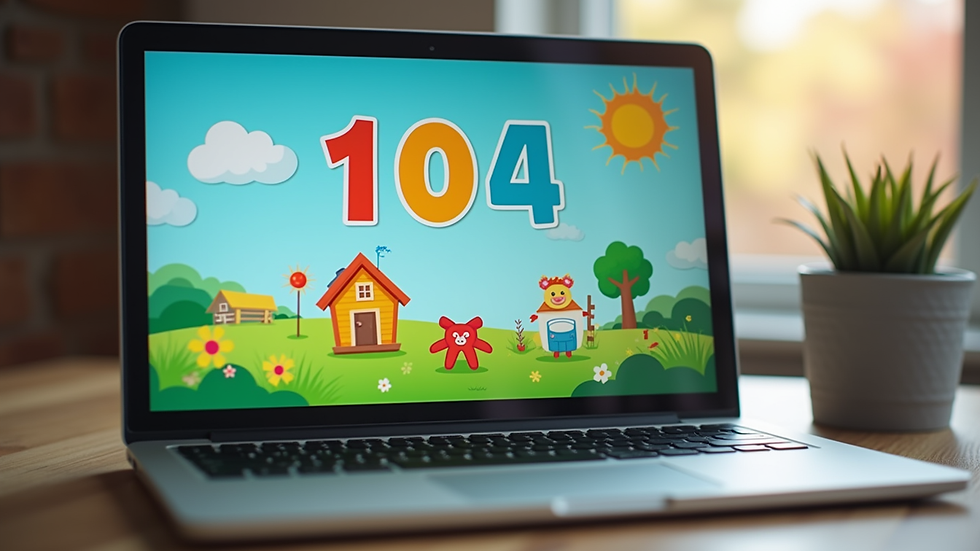
Integrating Online Preschool Games into Daily Learning
Using online games effectively means blending them with other learning experiences. Here are some practical ways to do this:
Set Time Limits: Use games as short, focused activities rather than long screen sessions.
Follow Up with Hands-On Play: After a game about shapes, provide physical blocks or drawing materials to explore shapes further.
Encourage Discussion: Talk with children about what they learned or enjoyed in the game.
Use Games for Group Activities: Some games support cooperative play, which can build social skills.
Personalise Learning: Choose games that match each child’s interests and developmental stage.
This approach helps children connect digital learning with real-world experiences, making learning more meaningful.
Supporting Early Learning with Online Resources
As someone passionate about early childhood education, I appreciate how online resources can simplify planning and enrich teaching. Platforms offering high-quality, EYLF-aligned content make it easier to find games that fit curriculum goals and children’s needs.
If you want to explore a curated selection of educational games for preschoolers online, you will find options that are safe, engaging, and designed to support early learning outcomes. These resources can be a valuable addition to your teaching toolkit, helping children learn through play in a joyful and meaningful way.
Creating a Joyful Learning Journey
Incorporating online preschool games into early childhood education is about more than just technology. It’s about creating joyful, playful moments that inspire curiosity and confidence. When children enjoy learning, they develop a love for discovery that lasts a lifetime.
By thoughtfully selecting and using online games, we can support children’s growth in a balanced, nurturing way. Together, we can build a playful pathway that opens doors to learning, creativity, and connection.
Let’s embrace the possibilities of online preschool games and make learning a delightful adventure for every child.


Comments